Can I ride my bike?
12 Sep 2026
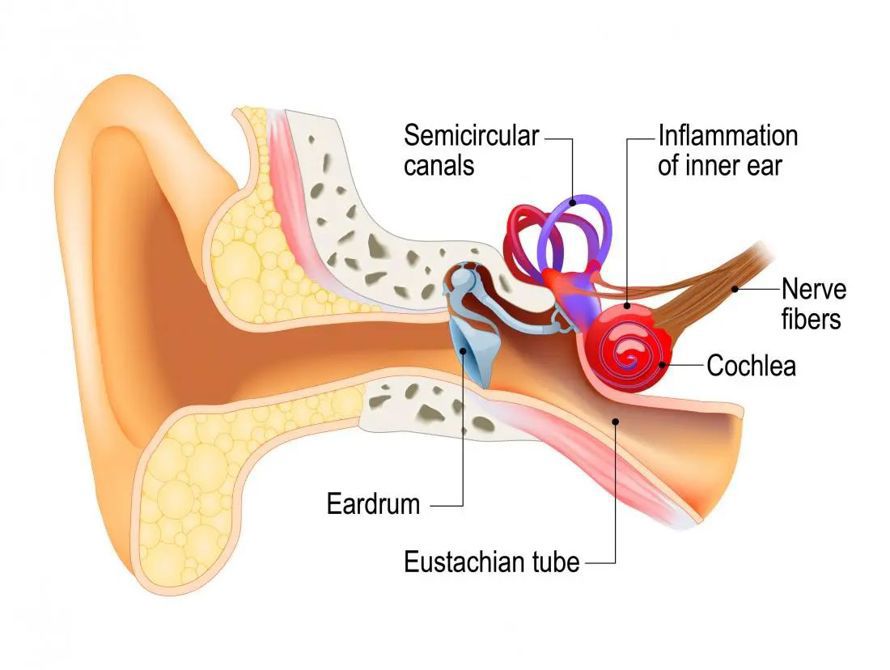
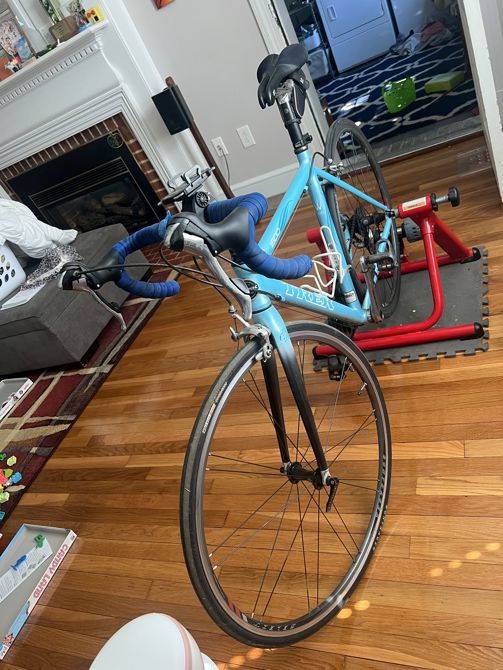
No, you should not ride your bike right now. Because you have a newly ruptured eardrum, getting on a bicycle is extremely dangerous and carries a severe risk of physical injury or permanent ear damage.You should avoid riding your bike until you are completely off the prescription pain medication and your ENT explicitly confirms that your eardrum has fully healed.
Why Riding a Bike is Highly Dangerous Right Now
Impaired Core Balance: Your eardrum rupture and the underlying infection directly irritate your inner ear's vestibular system, which controls your balance. And your coordination and spatial awareness are severely compromised, making a sudden fall highly likely.
Wind Pressure and Infection Risks: Riding a bike generates significant wind flow directly into your ear canal. Because your eardrum has an open tear, this rushing air creates sharp pressure changes that can cause excruciating pain. Furthermore, any outdoor dust, debris, or moisture carried by the wind can enter your unprotected middle ear, causing a secondary infection or stalling the healing process.
Why Covering the Ear Isn't Enough
Barotrauma and Pressure Changes: Covering your outer ear blocks the physical wind, but it does not stop the rapid atmospheric and altitude pressure shifts that occur while moving at cycling speeds. Because you have an open tear, these pressure shifts cause the remaining air inside your middle ear to push heavily against the delicate, unhealed borders of the tear. This can trigger sudden, severe pain and actively stall or reopen the healing tissue.
The Danger of Trapped Sweating: Placing a tight cover, plug, or bandage over a healing eardrum creates a warm, sealed, and highly humid environment inside your ear canal. As you exercise and sweat, this trapped moisture creates a perfect breeding ground for opportunistic bacteria. This bacteria can slip directly through the tear into your unprotected middle ear, triggering an immediate secondary infection.
Delayed Balance Issues: Even if you feel steady while walking, the fluid changes inside an infected, ruptured ear are unpredictable. The visual tracking and physical exertion required to balance a moving bicycle can trigger sudden, unexpected micro-bouts of vertigo or spatial disorientation. A split-second dizzy spell on a bike carries a severe risk of a dangerous fall.
Posted 6 hours ago
The Recovery Timeline
12 Sep 2026
First 1 to 2 Weeks (The Infection Phase): Right now, your inner ear is still highly inflamed from the underlying infection. Even though your eardrum has popped and the intense pressure has been released, the internal swelling continues to irritate your auditory nerve, keeping the ringing constant. The noise will begin to soften as your antibiotics fully clear the residual infection.
Weeks 3 to 6 (The Tissue Regeneration Phase): During this window, your eardrum actively grows new tissue to seal the tear. As the hole closes and your middle ear returns to a normal, pressurized, airtight state, your muffled hearing will improve, and the high-pitched ringing will transition from a constant noise to an occasional, intermittent click or buzz.
Weeks 6 to 8+ (Complete Healing): For most standard-sized tears, the eardrum is completely healed within two months. Once the membrane is fully intact and the inner ear fluid is totally gone, the phantom ringing should stop entirely.
Posted 10 hours ago
Reduction
10 Sep 2026
Due to my eardrum rupture, and having to take it easy… and be PATIENT 😝, I have decided to reduce my mileage goal for this year’s challenge. I really wanted this year to be a difficult challenge mileage-wise. But I was given a different type of challenge to work through… so that’s what I’m doing. I reduced my mileage by half because I’ve essentially lost 2 weeks of riding. Brian and I have discussed how I can make the remaining miles work, with his support.
Not throwing in the towel!
I will continue to ride on!!!
Posted 2 days ago